![How much does USB or plug fitting cost? | The connection and work required determine the price [OK Prostate Chip]](/img/a/T0299/eyecatch.svg)
This page is based on entries from "ok-lab's diary" (https://ok-lab.hatenablog.com/), the Japanese development diary written by Mr. Okada, founder of OK Lab, a small company in Japan (Okada Comfortable Life Laboratory). Only the entries about "connector, USB and plug fitting charges" are summarized here, in order of publication. Past prices and sizes are as written at the time. Current prices come from the official product list (retrieved September 4, 2026). Quotations are translated from Japanese.
Note: This page is a personal reading log by someone with no connection to the maker or the seller. It reflects the source entries as of their publication dates and makes no guarantee of accuracy or safety. The product is not a medical device; talk to a doctor about any health decision. Check the official site for current information. This page contains advertising.
In short
- Connector charges varied with the plug type, cable, waterproofing, and number of connections.
- Mr. Okada distinguished new-chip options from paid conversions and work on controllers.
- The current product list includes USB fitting at ¥550 (about $4 at ¥156 = $1, rate as of 2026-09-04) including tax.
About this product
The OK Prostate Chip is a small device that is placed in the urethra (the urine passage) so that it acts on the prostate; the maker sells it in several shapes, sizes and materials. It is made and sold by OK Lab (Okada Comfortable Life Laboratory), a small company in Japan, through its own online store, and prices are in Japanese yen (JPY). The maker's development diary, "ok-lab's diary", is written in Japanese. This page is an English summary of it, and every quotation is translated. OK Lab ships internationally, so readers outside Japan can order (see "Buying from outside Japan" below). Product names on this page are plain-English descriptions. The official Japanese product name is shown once in the product table so you can find the same item in the store.
Before you read: key terms
| Term | Plain-English meaning |
|---|---|
| Vibrating chip | A chip containing a motor, intended to provide vibration at the prostate. |
| Controller | The external unit that supplies or controls power for the vibrating chip. |
| Male and female connector halves | The plug and socket that join two parts of an electrical connection. |
| USB fitting | Work that adds a USB connector to a cable for connection to a controller or power source. |
| Electrode chip | A chip with electrical contacts, intended for connection to an electrical stimulation device. |
| Pole | One electrical connection; the diary describes plugs carrying either one pole or both together. |
| Parallel cable | Two wires running side by side, used to carry electricity to the chip. |
| Separate pins | Individual electrical contacts designed for a connection involving a narrow accessory opening. |
| Splitter cable | A cable that divides a controller connection between two vibrating chips. |
What happens: USB and plug fitting costs
The OK Prostate Chip is a small device placed in the urethra to act on the prostate. These entries concern electrical connections for its vibrating and electrode versions, including connectors on the chip cable and controller cable. A detachable connection allows the controller to be separated from the chip. The diary describes ordinary USB fittings, small plugs, and custom waterproof connections, with different charges for their parts and construction.
Mini connector costs began with separate charges for both halves
In an entry published in April 2019, Mr. Okada introduced a handmade mini connector for vibrating chips. The male (plug) half cost ¥2,000 (about $13 at ¥156 = $1, rate as of 2026-09-04), and the female (socket) half cost ¥2,000 (about $13 at ¥156 = $1, rate as of 2026-09-04), with a stated total of ¥4,000 (about $26 at ¥156 = $1, rate as of 2026-09-04) excluding tax. He described the chip-side half as fully waterproof, while the controller-side half did not have that specification.
Mr. Okada said these would be custom orders, with no regular sales planned at that point. Adding a connector to a completed chip required about 5 days for the resin to dry. He asked customers to specify the connector position when requesting the work.
(Source: ok-lab's diary, published April 2019)
https://ok-lab.hatenablog.com/entry/2019/04/06/151323
Electrode plug fitting charges depended on whether the poles stayed together
In an entry published in May 2019, Mr. Okada clarified fitting prices for electrode chips. An earphone-style mini plug carrying both poles cost ¥1,000 (about $6 at ¥156 = $1, rate as of 2026-09-04). The short-chip-shaped snap-button version cost ¥2,000 (about $13 at ¥156 = $1, rate as of 2026-09-04) per pole.
The chip, electrode work, and cable had separate charges in his pricing explanation. Mr. Okada explained that the choice of plug changed the price for the same electrode arrangement.
(Source: ok-lab's diary, published May 2019)
https://ok-lab.hatenablog.com/entry/2019/05/11/152432
Mini plug fitting became cheaper when purchased connector parts replaced handmade terminals
In an entry published in August 2019, Mr. Okada described a small plug based on connectors sold for drones. He said using these parts removed the need to make the terminals himself, allowing him to halve the offering price. His design added reinforcement around the purchased connector.
The planned chip-cable fitting charge was ¥1,000 (about $6 at ¥156 = $1, rate as of 2026-09-04) excluding tax. Fitting a controller or battery box also cost ¥1,000 (about $6 at ¥156 = $1, rate as of 2026-09-04) excluding tax. Mr. Okada presented detachable connections as a way to change controllers without replacing the chip.
(Source: ok-lab's diary, published August 2019)
https://ok-lab.hatenablog.com/entry/2019/08/03/145816
Early USB fitting replaced the supplied controller for an additional charge
In an entry published in November 2019, Mr. Okada announced USB fitting as an option when buying a vibrating chip. The published charge was ¥500 (about $3 at ¥156 = $1, rate as of 2026-09-04) excluding tax, with 3 connector types supported. This configuration replaced the supplied controller with a USB connector. Mr. Okada offered it for buyers planning to obtain power through USB-equipped equipment.
(Source: ok-lab's diary, published November 2019)
https://ok-lab.hatenablog.com/entry/2019/11/23/162919
Later November USB fitting terms separated new purchases from existing-chip conversions
In a later entry published in November 2019, Mr. Okada revised the purchasing terms. Converting an existing vibrating chip with a male-and-female connector pair cost ¥1,000 (about $6 at ¥156 = $1, rate as of 2026-09-04) excluding tax. A new chip could leave with its chip-side USB connection fitted free, with the standard controller omitted.
An electronic controller still required ¥500 (about $3 at ¥156 = $1, rate as of 2026-09-04) excluding tax for its own USB fitting. Mr. Okada attributed that charge to reinforcement work on the controller connection before fitting USB. He recommended USB over mini plugs because USB fittings avoided the extra outer resin shaping required by mini plugs.
(Source: ok-lab's diary, published November 2019)
https://ok-lab.hatenablog.com/entry/2019/11/30/164020
Rechargeable controller costs included its socket but required a USB-equipped chip
In an entry published in December 2019, Mr. Okada introduced a 4.5v rechargeable controller. Its price, including a female USB connector, was ¥2,500 (about $16 at ¥156 = $1, rate as of 2026-09-04) excluding tax. He listed the controller itself at ¥2,000 (about $13 at ¥156 = $1, rate as of 2026-09-04) excluding tax before that connector charge.
Uncertain parts supplies meant it was initially offered through custom orders. Mr. Okada specified a USB-equipped vibrating chip because this controller had no direct-connection service.
(Source: ok-lab's diary, published December 2019)
https://ok-lab.hatenablog.com/entry/2019/12/07/162608
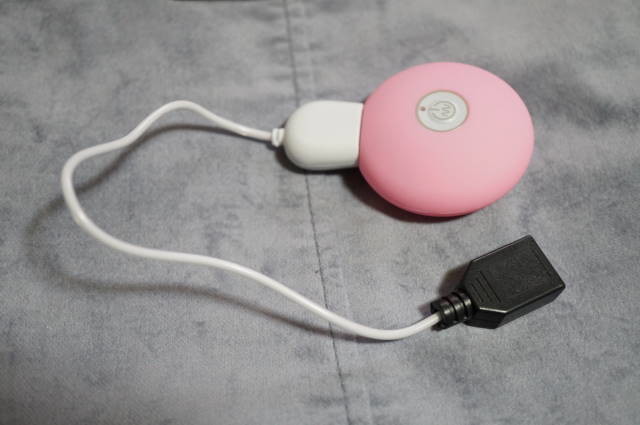
Waterproof USB fitting formed part of a larger fine-cable package
In an entry published in August 2023, Mr. Okada proposed a fine cable twisted together with nylon thread. He warned that electrical failure might occur sooner than with the earlier parallel cable. He said the nylon would retain its strength if the electrical core broke, but long-term test results were unavailable.
The proposed powered package included 30cm of cable, waterproof USB, 5cm of nylon, and an end piece, adding ¥4,000 (about $26 at ¥156 = $1, rate as of 2026-09-04) excluding tax. A version without electrical functions added ¥3,000 (about $19 at ¥156 = $1, rate as of 2026-09-04) excluding tax, omitting waterproof USB; orders were to follow further testing. Mr. Okada proposed that version for customers seeking a softer cord without electrical functions.
(Source: ok-lab's diary, published August 2023)
https://ok-lab.hatenablog.com/entry/2023/08/19/123214
The maker's answer to USB and plug fitting costs
The diary separates ordinary fittings from custom connections and treats waterproofing as a distinct design requirement.
Custom plug fitting was available before regular sales, with an internal-use warning
In an entry published in September 2019, a customer asked whether a vibrating chip with detachable plugs was available. Mr. Okada said regular sales were still being arranged, but a custom version could be requested for an additional ¥2,160 (about $14 at ¥156 = $1, rate as of 2026-09-04). The customer then requested a medium-length glass vibrating chip with interchangeable controllers.
His reply raised a hygiene problem: both connector halves had internal cavities that were difficult to clean. The diary does not record whether the order was completed. Mr. Okada advised against using those plugs inside the urethra.
(Source: ok-lab's diary, published September 2019)
https://ok-lab.hatenablog.com/entry/2019/09/07/135854
Detachable USB fitting carried separate charges for pins and the adapter
In an entry published in April 2022, Mr. Okada developed a custom USB connection for a four-wire cable arrangement. The design addressed an accessory opening measuring 4mm, which was too narrow for the ordinary connectors he found. His solution used separate 3mm pins and a dedicated USB adapter.
The four-wire adapter cost ¥3,000 (about $19 at ¥156 = $1, rate as of 2026-09-04) excluding tax, while separate-pin processing cost ¥2,000 (about $13 at ¥156 = $1, rate as of 2026-09-04) excluding tax. Mr. Okada said one adapter could serve multiple compatible chips or controllers. He also warned that cable lengths beyond the stated limits would incur additional charges.
(Source: ok-lab's diary, published April 2022)
https://ok-lab.hatenablog.com/entry/2022/04/30/123451
Stainless-steel electrode plug fitting required a design that preserved waterproofing
In an entry published in July 2025, a customer wanted a plug because their equipment did not accept snap-button connections. OK Lab initially replied that simply changing the connector would compromise the waterproofing of the twisted-cable design. An alternative design combined a sealed cable transition with a parallel-cable section.
The diary says this made a plug-compatible version possible. The diary does not record the exact surcharge or how it felt in use. OK Lab's reply said customers requesting this version would need to accept a higher processing charge.
(Source: ok-lab's diary, published July 2025)
https://ok-lab.hatenablog.com/entry/2025/07/05/122905
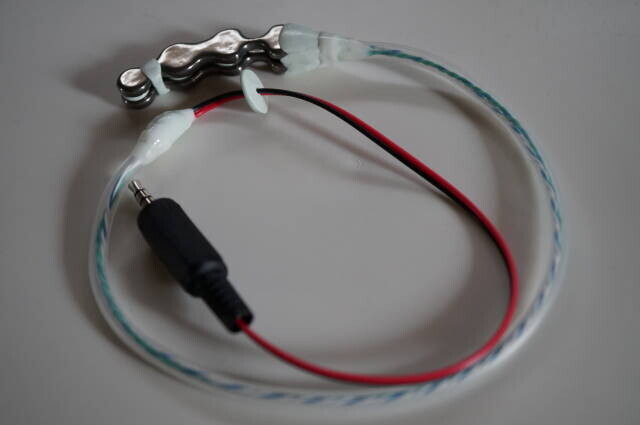
How USB and plug fitting costs changed over time
| Published | What the diary said then |
|---|---|
| Aug 2019 | Electrode plugs changed from repurposed earphone parts to purchased components without external wiring. |
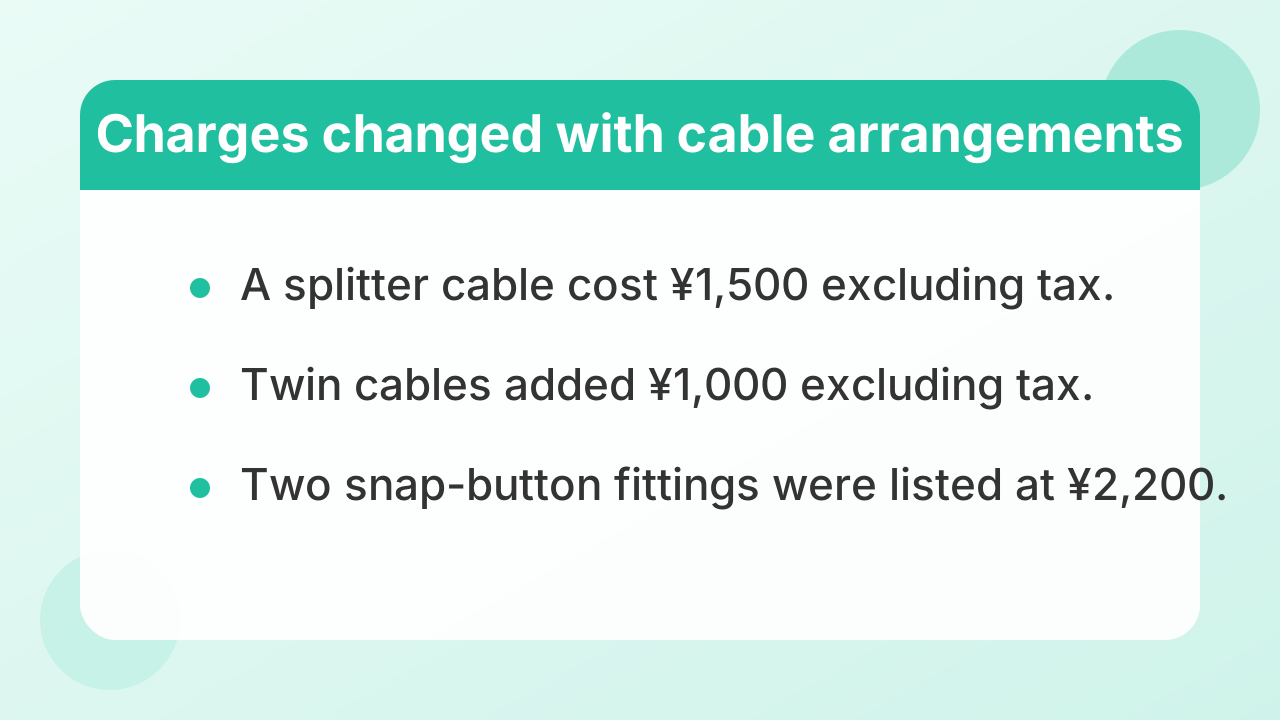
| Dec 2019 | A splitter cable used three USB connectors and cost ¥1,500 (about $10 at ¥156 = $1, rate as of 2026-09-04) excluding tax. |
| Feb 2020 | Twin cables sharing one USB connector added ¥1,000 (about $6 at ¥156 = $1, rate as of 2026-09-04) excluding tax. |
| May 2020 | Chip-side USB work was free; fitting the 3V battery box cost ¥550 (about $4 at ¥156 = $1, rate as of 2026-09-04). |
| Aug 2024 | Electrode connectors cost ¥1,000 (about $6 at ¥156 = $1, rate as of 2026-09-04) excluding tax: both poles together, or each pole with snap buttons. |
| Jan 2026 | One waterproofing charge of ¥550 (about $4 at ¥156 = $1, rate as of 2026-09-04) was offset because the customer declined a controller. |
| Aug 2026 | A rectal electrode quote listed two snap-button fittings at ¥2,200 (about $14 at ¥156 = $1, rate as of 2026-09-04). |
OK Prostate Chip products related to USB and plug fitting costs
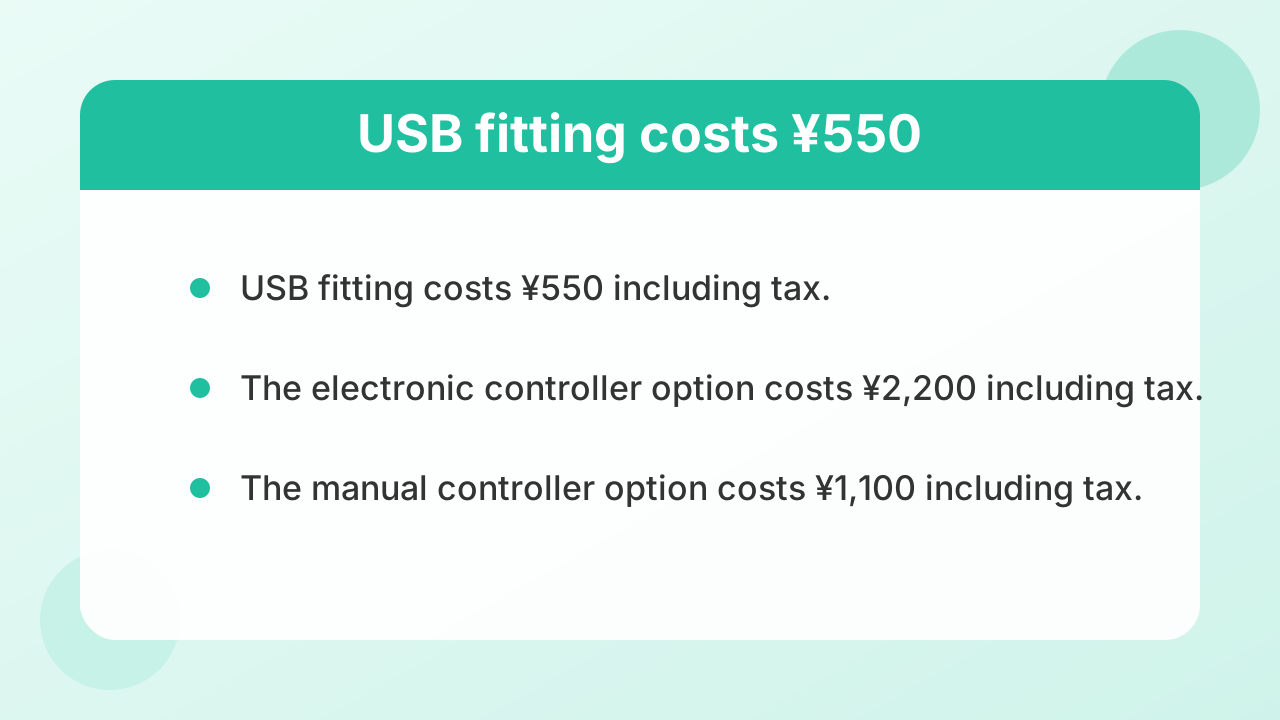
The current list includes USB fitting and the controller options named in the diary's interchangeable-controller case.
Products that appear in these entries
| Product (official name) | Price incl. tax | Relation to this topic |
|---|---|---|
| Contoured ceramic vibrating chip (OKプロステート核振チップ 陶器素材覚醒タイプ) | ¥7,700 (about $49 at ¥156 = $1, rate as of 2026-09-04) | In November 2019, a customer requested this chip with connections for interchangeable electronic and manual controllers. |
| Electronic controller option (ICコントローラに変更(核振チップオプション)) | ¥2,200 (about $14 at ¥156 = $1, rate as of 2026-09-04) | In November 2019, this was one of the controllers requiring its own plug fitting in that customer's quote. |
| Manual controller option (ローテクコントローラに変更(核振チップオプション)) | ¥1,100 (about $7 at ¥156 = $1, rate as of 2026-09-04) | In November 2019, this was the other controller included in the customer's interchangeable-controller request. |
(Source: ok-lab's diary, published November 2019)
https://ok-lab.hatenablog.com/entry/2019/11/23/162919
Products the diary mentioned as alternatives
| Product (official name) | Price incl. tax | Relation to this topic |
|---|---|---|
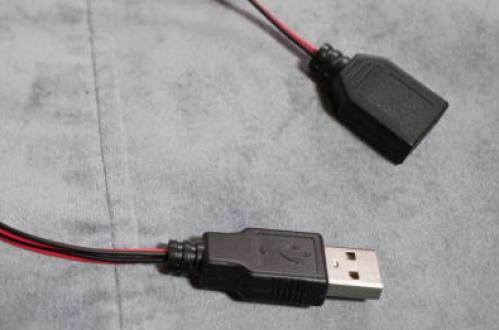
| USB connector fitting option (USB端子付け加工(核振チップオプション)) | ¥550 (about $4 at ¥156 = $1, rate as of 2026-09-04) | In November 2019, Mr. Okada recommended USB fitting instead of mini plugs because it required less fabrication work. |
USB connector fitting is listed in OK Lab's own online store.
(Source: ok-lab's diary, published November 2019)
https://ok-lab.hatenablog.com/entry/2019/11/30/164020
The diary also describes custom mini connectors, a rechargeable controller, a detachable-pin adapter, fine-cable packages, and a sealed stainless-steel electrode conversion. No matching product can be confirmed on the current list.
Common worries about USB and plug fitting costs
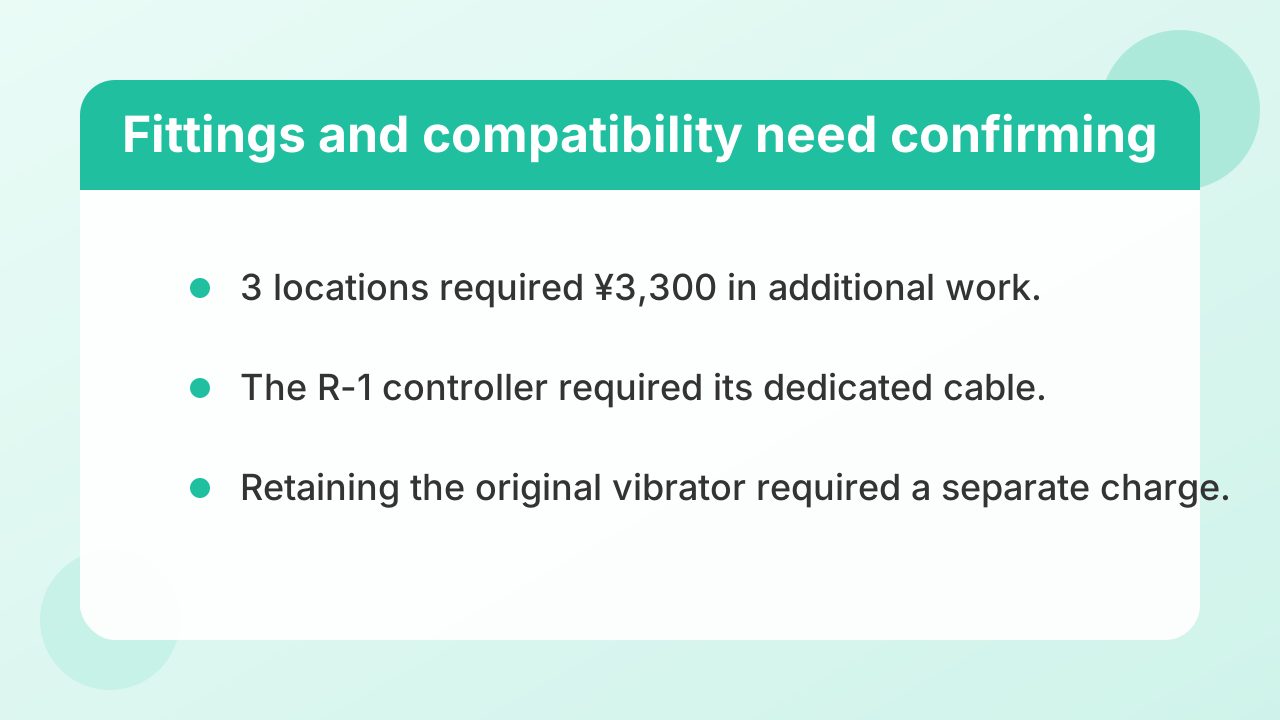
Customer replies distinguish the number of fittings, controller compatibility, and the cost of retaining existing equipment.
"Does plug fitting cover both controllers?"
In an entry published in November 2019, a customer wanted electronic and manual controllers to be interchangeable on a ceramic vibrating chip. Mr. Okada quoted ¥1,100 (about $7 at ¥156 = $1, rate as of 2026-09-04) per fitting, with 3 locations—the chip and both controllers—requiring ¥3,300 (about $21 at ¥156 = $1, rate as of 2026-09-04) in additional work. The customer replied with their preferred connector position.
The diary does not record how the completed setup performed for that customer. Mr. Okada asked for the desired connection position as part of confirming the work.
(Source: ok-lab's diary, published November 2019)
https://ok-lab.hatenablog.com/entry/2019/11/23/162919
"Will USB fitting make an R-1 controller compatible?"
In an entry published in November 2019, a customer asked about connecting a vibrating chip to an R-1 controller. Mr. Okada examined equipment the customer supplied. The corrected entry says the controller required its dedicated cable, despite using only 2 wires, and the planned compatible-product launch was put on hold.
That correction does not describe a generally compatible USB option. Mr. Okada's reply made checking the controller's connection requirements a condition of accepting the work.
(Source: ok-lab's diary, published November 2019)
https://ok-lab.hatenablog.com/entry/2019/11/23/162919
"Can USB fitting keep my original vibrator usable?"
In an entry published in January 2020, a customer asked whether converting a Time Rotor controller would sacrifice its original vibrator function. Mr. Okada said that function could be retained, with a separate charge for fitting the original vibrator. The diary does not record whether this customer later commissioned that additional work. Mr. Okada's reply specified that retaining the original vibrator required a separately paid connection.
(Source: ok-lab's diary, published January 2020)
https://ok-lab.hatenablog.com/entry/2020/01/04/155235
Buying from outside Japan
OK Lab ships internationally to countries covered by Japan Post's EMS courier service. Overseas orders are paid in advance by PayPal. Each order carries a ¥400 (about $3 at ¥156 = $1, rate as of 2026-09-04) handling fee, and EMS shipping is charged on top. These terms come from OK Lab's official sales-terms page (written here as plain text, not a link: ok-lab.net/docs/law), checked on September 7, 2026; confirm them on the official store before you order, because they can change.
Summary of this article
| What you wanted to know | The answer |
|---|---|
| What is the short answer? | Charges depend on the connection type and work required. |
| What is this product? | A urethral device made by OK Lab in Japan, with motorized versions among its designs. |
| What do the connection terms mean? | Plugs, sockets, cables, and adapters serve different parts of the electrical connection. |
| How were fitting charges set? | The diary priced chip-side work, controller-side work, and custom construction separately. |
| What did the maker's answers establish? | Waterproofing and compatibility could require a different design or additional work. |
| What changed over time? | Handmade connectors were followed by simpler USB options and specialized cable arrangements. |
| What is listed now? | The current USB fitting option costs ¥550 (about $4 at ¥156 = $1, rate as of 2026-09-04) including tax. |
| What did customers need clarified? | How many fittings were charged, whether controllers worked, and whether original equipment remained usable. |
| Can customers outside Japan order? | The stated terms use advance PayPal payment, EMS shipping, and a ¥400 (about $3 at ¥156 = $1, rate as of 2026-09-04) handling fee. |
| What do these historical prices establish? | They document particular published specifications and quotes, rather than one universal conversion price. |
Source: ok-lab's diary (Okada Comfortable Life Laboratory). The original entries are in Japanese; quotations on this page are translated. Photos and videos are on the original entries.
This article is a summary of the maker's development diary. The product is not a medical device and no result is guaranteed. If anything feels wrong or worries you, see a doctor. Prices, specifications and cautions change, so confirm the latest information on the official blog and the official site. Questions about ordering and shipping go to the seller.